
How Much Seal Anticarbon Do You Need? Calculating Coverage for Sharjah Projects
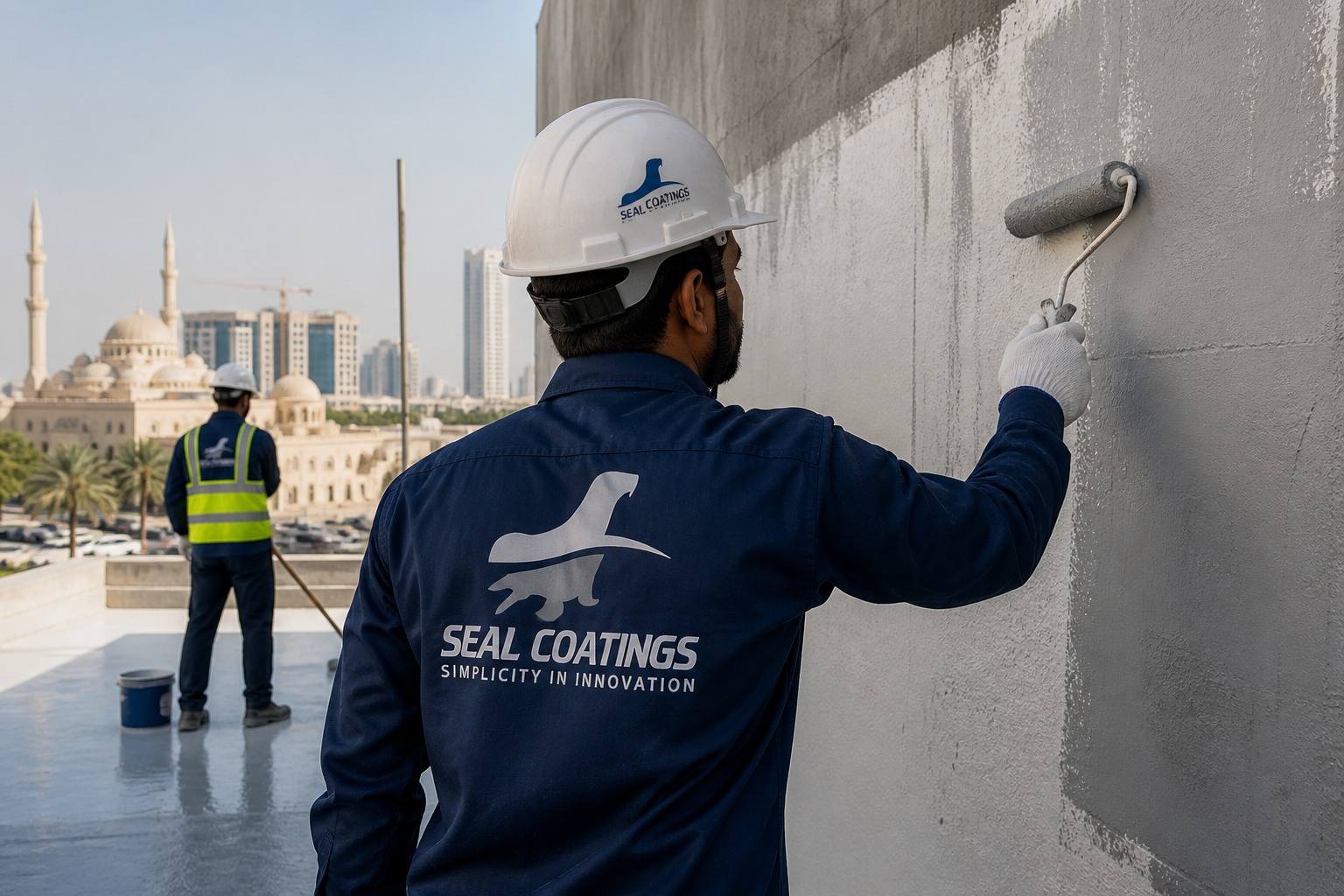
Discover how to calculate Seal Anticarbon coverage for Sharjah projects, ensuring optimal protection and efficiency in UAE's unique climate conditions.
As a construction professional in the UAE, ensuring that your projects are well-protected from environmental factors is crucial. Seal Anticarbon by Seal Coatings offers an excellent solution, particularly for the unique climatic challenges experienced in Sharjah. Understanding how much of this powerful anti-carbonation coating you need can make all the difference in both project budgeting and the longevity of your constructions. Understanding Seal Anticarbon Seal Anticarbon is specially engineered to provide a robust barrier against carbonation, a common issue that affects reinforced concrete structures, particularly in the harsh weather of the UAE. By preventing the ingress of carbon dioxide, moisture, and chlorides, Seal Anticarbon extends the lifespan of buildings, making it an ideal choice for Sharjah's construction projects. Factors Influencing Coverage When calculating how much Seal Anticarbon you will need, consider the following factors: Surface porosity: More porous surfaces may require more coating to achieve effective coverage. Application method: Techniques like spraying might differ in material consumption compared to rolling or brushing. Environmental conditions: Humidity and temperature in Sharjah can affect drying times and coverage efficiency. Calculating Seal Anticarbon Coverage To ensure accurate calculations, start by obtaining the surface area that needs protection. For instance, a typical commercial building in Sharjah might involve the following surfaces: Surface Type Average Porosity (m²/L) Estimated Coverage (m²/10L container) Concrete Walls 0.2-0.3 30-50 Exterior Facades 0.3-0.4 25-40 Interior Columns 0.1-0.2 50-70 To compute the total quantity needed, divide your total surface area by the coverage rate, adjusting based on surface porosity and application method. Practical Tips for Sharjah Projects Given Sharjah's unique climate conditions, it's essential to follow best practices for applying Seal Anticarbon: Ensure surfaces are clean and dry before application. Plan applications during cooler parts of the day to prevent premature drying. Conduct a test patch to verify adhesion and coverage needs. Conclusion Correctly calculating the amount of Seal Anticarbon needed for your Sharjah projects not only ensures adequate protection but also enhances cost efficiency. This high-performance coating from Seal Coatings ensures that your buildings stand resilient against the region's harsh environmental conditions, safeguarding your investment for years to come.