
Marine Thermal Insulation: Protecting Vessels in Gulf Waters
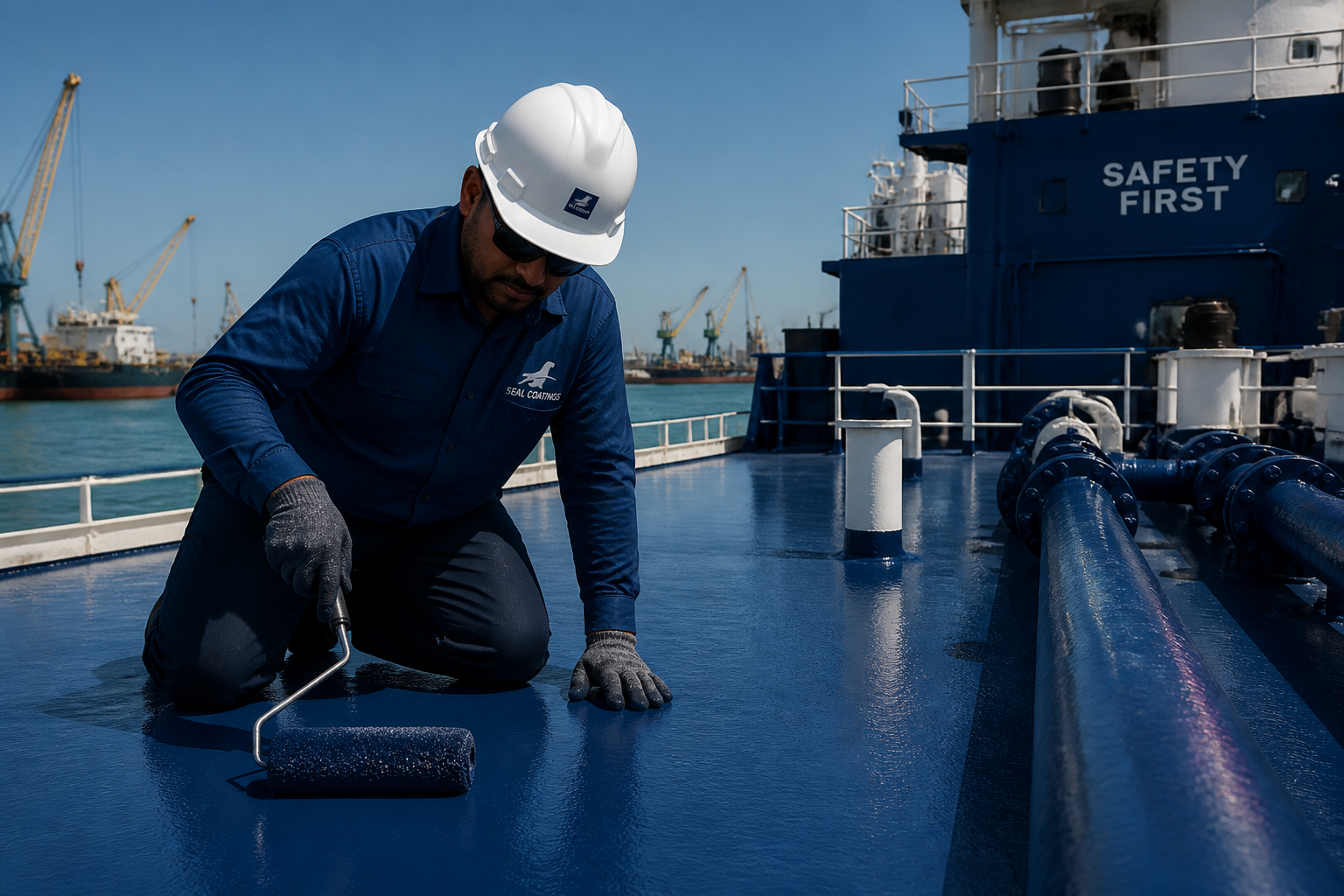
Marine thermal insulation solutions for vessels operating in Gulf waters. Protect crew comfort, reduce fuel costs, and prevent corrosion on boats and ships in the Arabian Gulf. Seal Coatings marine specialists.
Marine Thermal Insulation: Protecting Vessels in Gulf Waters The marine environment of the Arabian Gulf is characterised by extreme heat, high salinity, and intense UV radiation, creating unique challenges for vessels operating in these waters. To combat these harsh conditions, marine thermal insulation in the UAE has become essential for ensuring the longevity and efficiency of maritime operations. The Arabian Gulf Marine Environment The Arabian Gulf presents a challenging environment for vessels due to: Extreme Heat: Temperatures can soar above 50°C in summer, leading to increased interior temperatures and discomfort for crew members. High Salinity: The elevated salt content in the water can cause corrosion and damage to vessel surfaces. UV Radiation: Prolonged exposure to UV rays can degrade materials, impacting both aesthetics and functionality. Why Marine Thermal Insulation Matters Implementing effective marine thermal insulation is crucial for several reasons: Crew Comfort: A well-insulated vessel maintains a comfortable environment for the crew, which is vital for enhancing productivity and wellbeing. Fuel Efficiency: Proper insulation reduces the load on air conditioning systems, leading to significant fuel savings. Equipment Protection: Insulation protects sensitive equipment from extreme temperatures that can lead to malfunction or damage. Specific Marine Applications Marine thermal insulation is applicable in various areas of a vessel, including: Cabin Roofs: Insulating the roofs of cabins helps maintain a stable temperature, improving comfort for occupants. Deck Surfaces: Insulation on deck surfaces protects against extreme heat and reduces the risk of slipping due to condensation. Engine Room Insulation: Insulating the engine room prevents heat loss and protects machinery from overheating. Hull Above Waterline: Applying insulation above the waterline minimises heat transfer, helping to regulate onboard temperatures. How Standard Coatings Fail in Marine Environments Common coatings often fall short in marine settings due to: Salt Spray: The corrosive nature of saltwater can degrade standard coatings, leading to premature failure. UV Exposure: Many coatings are not designed to withstand prolonged UV radiation, resulting in fading and loss of effectiveness. Humidity: The high humidity levels in the Gulf can lead to moisture infiltration, which standard coatings are ill-equipped to handle. Thermal Shield Marine — Specifically Engineered for Marine Applications For vessels operating in the Gulf's challenging waters, Thermal Shield Marine is a superior choice. This product is specifically designed to withstand the extreme conditions of the marine environment, offering: Exceptional thermal resistance that keeps interior temperatures stable. Durability against salt spray and UV damage. Moisture control properties that prevent the deterioration of insulation effectiveness. Comparison to Industrial Product: Thermal Shield IND For larger vessel structures, Thermal Shield IND is the recommended choice. While both products offer insulation benefits, Thermal Shield IND is tailored for the robust demands of heavy industrial applications, making it ideal for larger vessels that require extensive insulation across various components. The UAE Marine Sector The UAE's thriving marine sector, including renowned locations such as Dubai Marina, Abu Dhabi Marine, Port Rashid, and Jebel Ali Port, highlights the importance of effective thermal insulation. Vessels operating in these areas benefit significantly from advanced insulation solutions that ensure optimal performance and comfort. Fuel Savings from Reduced AC Load One of the most compelling advantages of marine thermal insulation is its impact on fuel consumption. By reducing the load on air conditioning systems, vessels can achieve considerable savings. For instance, a vessel could experience a reduction in generator costs, with savings of up to 30% per hour when optimal thermal insulation is employed. Application on Vessels: Preparation and Port Call Proper preparation and application are critical for maximising the effectiveness of marine thermal insulation. During a port call, the following steps should be adhered to: Surface Preparation: Ensure all surfaces are clean, dry, and free from corrosion before applying the insulation. Application Techniques: Follow manufacturer guidelines for application to guarantee adherence and performance. Inspection: Conduct a thorough inspection post-application to ensure that all areas are adequately covered and that no gaps are present. In conclusion, investing in marine thermal insulation in the UAE is essential for protecting vessels operating in the challenging Arabian Gulf environment. By utilising products like Thermal Shield Marine , vessel operators can enhance crew comfort, improve fuel efficiency, and extend the lifespan of their equipment. Seal Coatings Products for This Application Thermal Shield Marine Marine-grade thermal and sound-damping coating for vessels View Product → Ready to Protect Your Building with Seal Coatings? Our team of thermal coating and waterproofing specialists is ready to assess your building and provide expert, tailored recommendations. UAE-wide service — Dubai, Abu Dhabi, Sharjah, and all Northern Emirates. Get a Free Quote Today WhatsApp Us +971 4 451 2378 Or email us at uae@seal-coatings.com • seal-coatings.com/contact