
Protecting UAE Concrete Structures from Carbonation and Chloride Attack
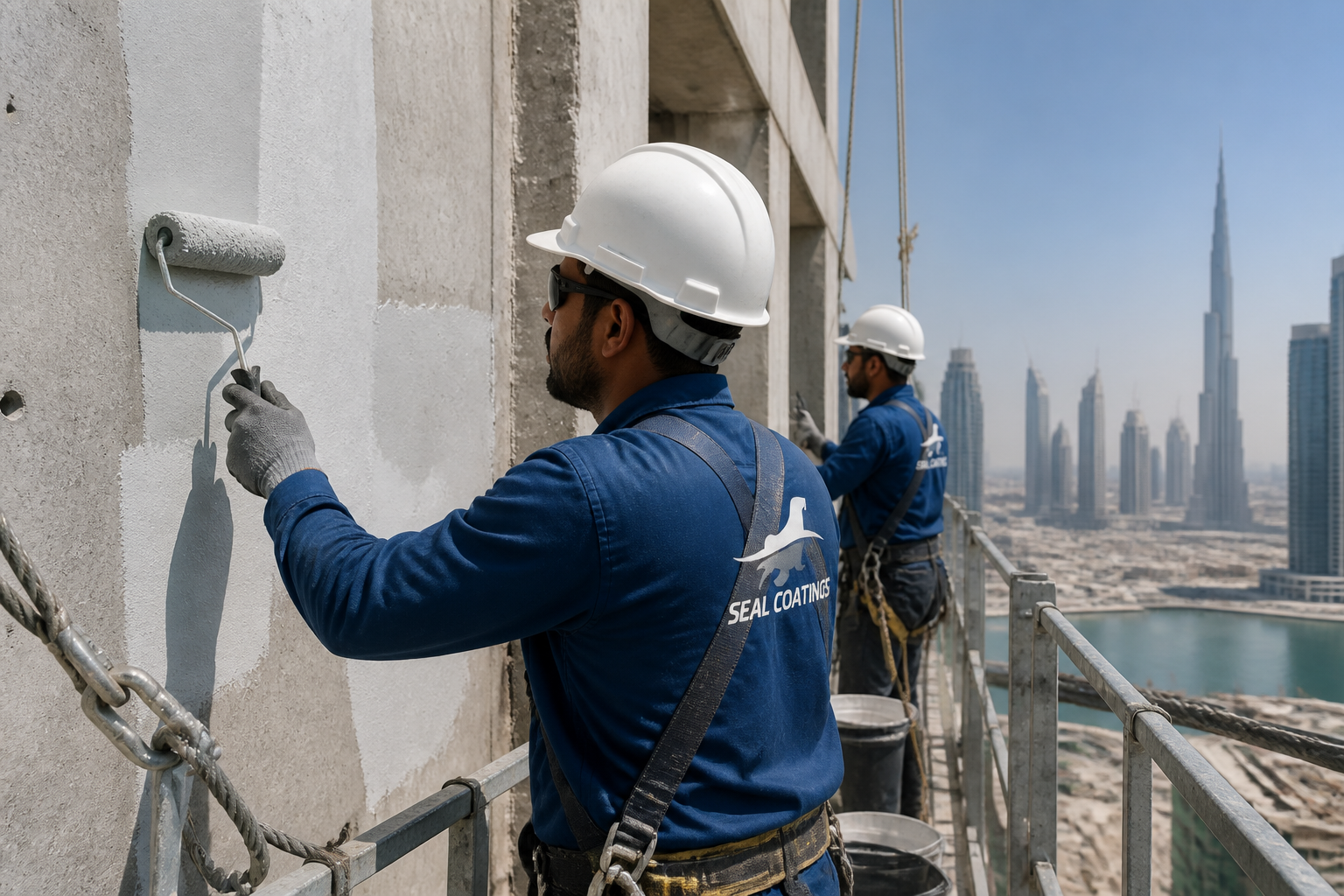
How to protect UAE concrete structures from carbonation and chloride-induced corrosion. Seal Anticarbon barrier coating for long-term reinforcement protection. Seal Coatings concrete protection specialists.
Protecting UAE Concrete Structures from Carbonation and Chloride Attack The United Arab Emirates is experiencing a concrete corrosion crisis, primarily driven by coastal chloride exposure, high CO2 environments, and insufficient cover depth in older buildings. With the UAE's rapid urbanisation and the prevalence of concrete structures, it is crucial to address these issues to ensure the longevity and safety of our infrastructure. Understanding the Concrete Corrosion Crisis Concrete structures in Dubai and the broader UAE face significant threats from environmental factors. The region's proximity to the coast exposes many buildings to chloride ions from sea spray, while urbanisation contributes to elevated levels of carbon dioxide (CO2) in the atmosphere. Furthermore, older buildings often have poor cover depth, which exacerbates the risk of concrete deterioration. What is Carbonation? Carbonation is a chemical process where CO2 from the atmosphere penetrates the concrete and reacts with the hydrated cement matrix. This reaction leads to the formation of carbonic acid, which lowers the pH of the concrete. As the pH decreases, the protective passive layer that surrounds the embedded reinforcement bars (rebars) is destroyed, making them susceptible to corrosion. Chloride Attack: Mechanism and Sources Chloride attack occurs when chloride ions infiltrate the concrete, leading to the corrosion of rebar. In the UAE, the primary sources of chlorides include: Sea spray from coastal exposure Deicing salts commonly used in the GCC region The threshold for corrosion typically lies around 0.1% chloride by weight of cement. Once this threshold is exceeded, the risk of concrete deterioration significantly increases, leading to structural integrity issues. Signs of Concrete Deterioration Concrete structures compromised by carbonation and chloride attack exhibit several signs of deterioration, including: Spalling: The surface of the concrete begins to flake or chip away. Rust Staining: Visible rust stains on the concrete surface, often around rebar locations. Cracking: Development of cracks which can further exacerbate the ingress of harmful agents. Prevention Strategies To protect concrete structures from carbonation and chloride ingress, it is imperative to implement effective prevention strategies. One of the most reliable solutions is Seal Anticarbon , a carbonation barrier coating designed specifically to shield concrete from CO2 and chloride penetration. This coating acts as a robust line of defence, extending the life of concrete structures in the harsh UAE environment. Remediation for Deteriorating Concrete In instances where concrete structures have already begun to deteriorate, a targeted remediation approach is essential. Effective methods include: Cathodic Protection: This technique involves applying an electrical current to the rebar, preventing corrosion. Chloride Extraction: A process that removes chlorides from the concrete, thereby halting the corrosion cycle. Coating Application: Following extraction, applying a protective coating can provide additional defence against future attacks. For enhanced waterproofing, Seal Flexiproof can be employed. This product offers an additional layer of protection, ensuring that moisture and other harmful agents do not compromise concrete integrity. UAE Buildings Most at Risk Certain structures in the UAE are particularly vulnerable to carbonation and chloride attack, including: Coastal towers Bridges Car parks Port structures Regular Inspection Regime To effectively manage the risks associated with concrete deterioration, a regular inspection regime is essential. Recommended practices include: Half-Cell Potential Testing: This method assesses the likelihood of rebar corrosion by measuring the electrical potential of the concrete. Carbonation Depth Testing: Evaluating how deep carbonation has penetrated can inform remediation and preventive measures. In conclusion, protecting concrete structures in the UAE from carbonation and chloride attack requires a comprehensive understanding of the risks involved and the implementation of effective protective measures. By utilising advanced products such as Seal Anticarbon and Seal Flexiproof , alongside regular inspections, stakeholders can ensure the longevity and durability of their concrete infrastructure. Seal Coatings Products for This Application Seal Flexiproof Cementitious flexible waterproofing for tanks, pools and basements View Product → Seal Acroprime Acrylic primer for preparing surfaces before coating View Product → Ready to Protect Your Building with Seal Coatings? Our team of thermal coating and waterproofing specialists is ready to assess your building and provide expert, tailored recommendations. UAE-wide service — Dubai, Abu Dhabi, Sharjah, and all Northern Emirates. Get a Free Quote Today WhatsApp Us +971 4 451 2378 Or email us at uae@seal-coatings.com • seal-coatings.com/contact