
The Science Behind Thermal Reflective Coatings in the Gulf Region
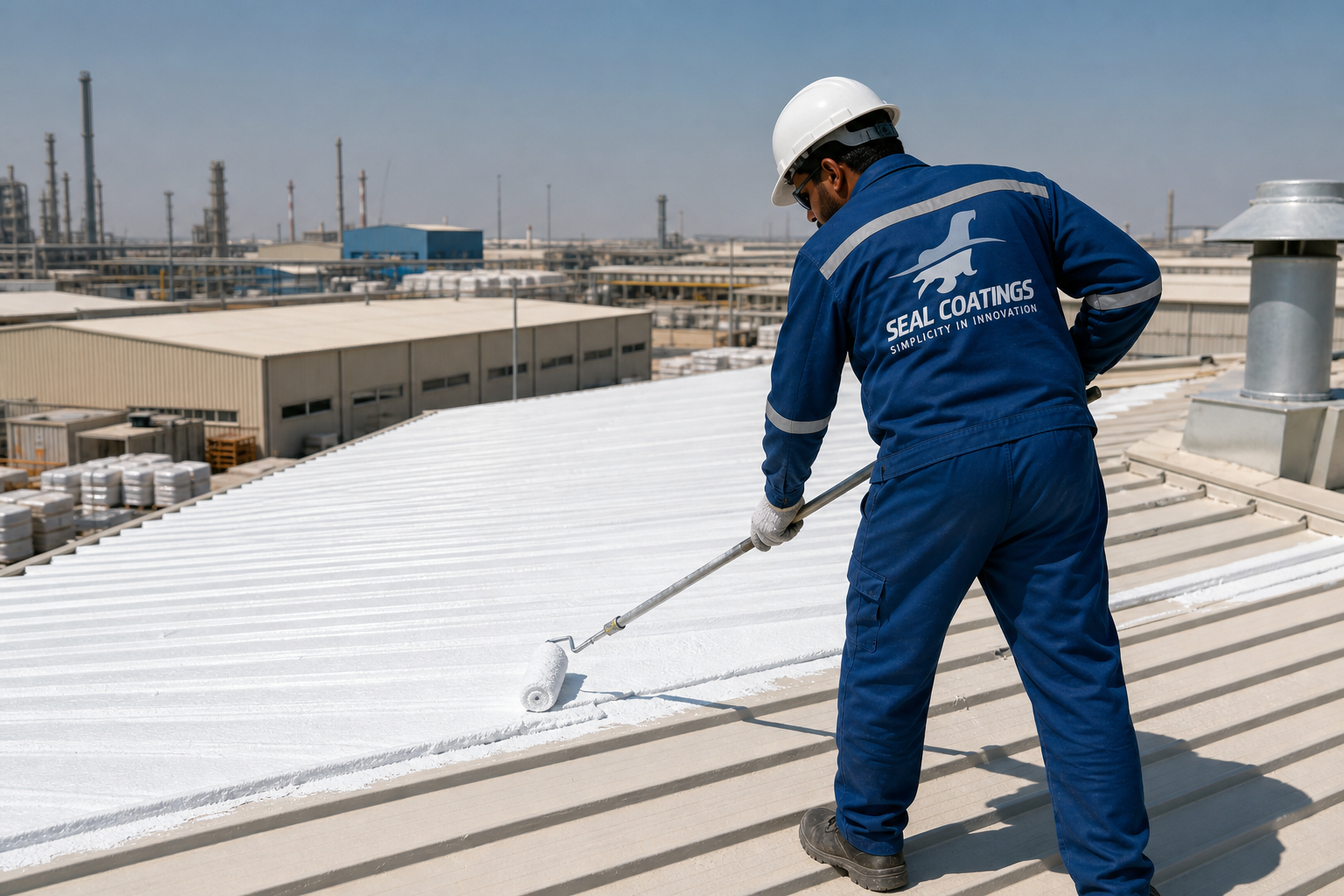
The science of thermal reflective coatings for the Gulf region. Understand SRI, solar reflectance, thermal emittance, and ceramic microsphere technology. Expert technical guide from Seal Coatings.
The Science Behind Thermal Reflective Coatings in the Gulf Region In the Gulf region, where the sun’s intensity is significantly higher than in temperate climates, the importance of effective thermal management is paramount. With average solar radiation reaching up to 7.5 kWh/m²/day in areas like Dubai and Abu Dhabi, the need for innovative solutions to combat excessive heat is pressing. This article explores the science behind thermal reflective coatings in the UAE , their mechanisms, and why they are essential for buildings in this climate. Solar Radiation and UV Index in the Gulf The Gulf region experiences extreme solar radiation levels, often exceeding 7.5 kWh/m²/day . This is a stark contrast to temperate climates, where solar radiation averages around 4.5 kWh/m²/day . Furthermore, the UV index in the UAE often reaches levels of 11+ , indicating a very high risk of harm from unprotected sun exposure. In comparison, temperate regions typically see UV indices of around 5-6 . These factors underscore the necessity for building materials that can mitigate the effects of such intense solar exposure. The Mechanism of Thermal Reflective Coatings Thermal reflective coatings operate through three key mechanisms: solar reflectance (SR) , thermal emittance (TE) , and the Solar Reflectance Index (SRI) . Solar Reflectance (SR): This measures the ability of a surface to reflect solar energy. Higher SR values indicate better performance in reflecting sunlight. Thermal Emittance (TE): This measures how efficiently a surface releases absorbed heat. A high TE value means the material can emit heat effectively, reducing indoor temperatures. Solar Reflectance Index (SRI): This is a measure combining SR and TE to evaluate a surface's overall effectiveness in reducing heat absorption. Higher SRI values signify better thermal performance. How Ceramic Microspheres Enhance Performance Ceramic microspheres are a crucial component in many thermal reflective coatings. These tiny, hollow spheres possess exceptional reflective properties and contribute to both SR and TE. When incorporated into a coating, they create a barrier that reflects solar radiation while allowing the underlying surface to remain cooler. This results in significant energy savings by reducing the need for air conditioning in buildings. Why White/Light Colours Outperform Dark Colours According to the Stefan-Boltzmann law , the amount of energy radiated by a body is proportional to the fourth power of its absolute temperature. In simpler terms, the hotter an object gets, the more heat it emits. White and light-coloured surfaces reflect a larger percentage of solar radiation compared to dark colours, which absorb more heat. Thus, using lighter colours for roofs and exterior walls leads to lower surface temperatures and improved energy efficiency. Seal Coatings: Product Performance Data At Seal Coatings , our Thermal Shield RF product boasts impressive SRI values, making it ideal for the harsh conditions of the Gulf region. These values are critical for determining how effectively a coating can contribute to energy savings and thermal comfort in buildings. Why Standard Paints Fail in Gulf UV Conditions Traditional paints often fail in the extreme UV conditions found in the Gulf due to photo-degradation. This process leads to a breakdown of the paint’s chemical structure, resulting in fading, chalking, and reduced effectiveness over time. In contrast, thermal reflective coatings are specifically designed to withstand these challenges, maintaining their performance and appearance for longer periods. Importance of CE Certification and Third-Party Testing When selecting thermal reflective coatings, it is crucial to ensure that the products are CE certified and backed by third-party testing from reputable organisations such as SGS. This certification guarantees compliance with safety and performance standards, providing peace of mind to consumers and contractors alike. What to Look for When Buying Thermal Reflective Coatings When purchasing thermal reflective coatings, consider the following: SRI Certificate: Ensure that the product has a documented SRI value, confirming its effectiveness in heat reflection. Third-Party Test Reports: Look for independent verification of the product’s performance from recognised testing laboratories. Seal Thermtex: A Flexible Option for Complex Surfaces For projects requiring versatility, Seal Thermtex offers a flexible solution for complex surfaces. This product is designed to adhere to various substrates while providing the same thermal reflective benefits, making it an ideal choice for intricate architectural designs. In conclusion, thermal reflective coatings play a vital role in enhancing energy efficiency and comfort in buildings throughout the UAE. By understanding the science behind these coatings and selecting high-quality products, such as those offered by Seal Coatings, property owners can significantly reduce cooling costs and improve overall building performance. Seal Coatings Products for This Application Thermal Shield NT (Interior) Interior thermal paint reducing heat and cooling costs View Product → Thermal Shield XT (Exterior) Exterior thermal insulation coating for UAE buildings View Product → Thermal Shield RF (Roof) High-performance reflective roof coating for UAE rooftops View Product → Ready to Protect Your Building with Seal Coatings? Our team of thermal coating and waterproofing specialists is ready to assess your building and provide expert, tailored recommendations. UAE-wide service — Dubai, Abu Dhabi, Sharjah, and all Northern Emirates. Get a Free Quote Today WhatsApp Us +971 4 451 2378 Or email us at uae@seal-coatings.com • seal-coatings.com/contact