
Seal Anticarbon for Heritage Building Restoration in Sharjah: Compatibility Guide
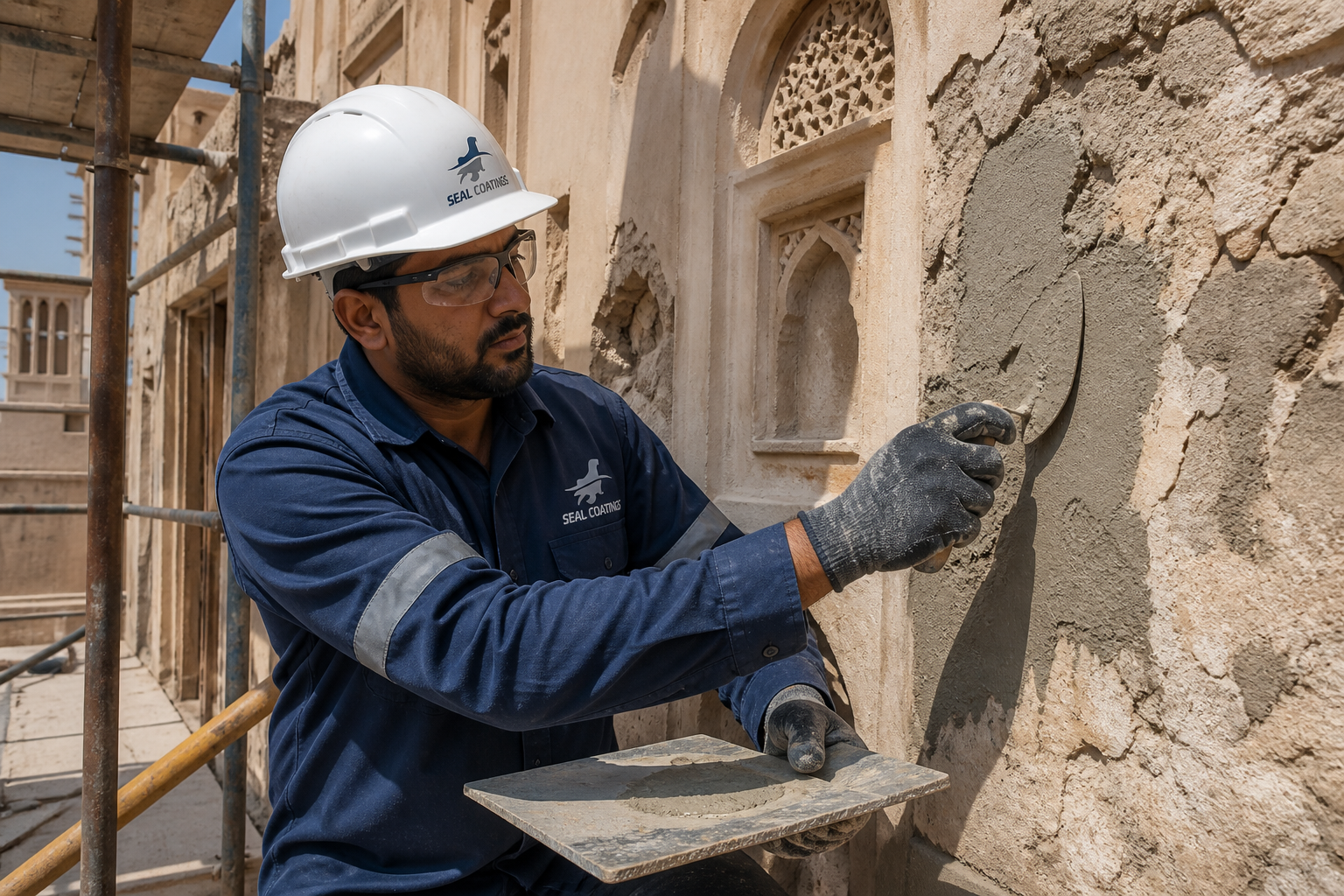
Explore Seal Anticarbon's role in Sharjah's heritage building restoration. Your go-to compatibility guide for preserving cultural legacy.
Sharjah, a jewel in the UAE's cultural crown, boasts an impressive array of heritage buildings that narrate its rich history. Restoring these architectural treasures requires a blend of modern technology and traditional aesthetics, a balance that Seal Coatings aims to perfect with its innovative Seal Anticarbon product. This article explores the compatibility of Seal Anticarbon with heritage building materials, providing an indispensable guide for construction professionals committed to preserving Sharjah's cultural heritage. Understanding Seal Anticarbon Seal Anticarbon is a state-of-the-art protective coating explicitly designed to combat carbon-induced deterioration in concrete structures. Its unique formulation ensures durability, UV resistance, and effective protection against environmental pollutants. The product is particularly beneficial in regions like the UAE, where high levels of carbon exposure and extreme weather conditions pose significant risks to construction materials. Importance in Heritage Restoration Heritage buildings in the GCC, especially in Sharjah, face continuous exposure to high humidity, salinity, and carbon emissions. This makes the need for robust protective solutions like Seal Anticarbon paramount. Using Seal Anticarbon not only extends the life of these structures but also maintains their aesthetic and historical integrity. Compatibility with Traditional Materials When it comes to heritage restoration, the compatibility of protective coatings with traditional building materials is crucial. Seal Anticarbon is engineered to work seamlessly with several conventional materials common in Sharjah's heritage architecture: Stone and Brick: High porosity of these materials allows Seal Anticarbon to penetrate easily, providing deep-seated protection against pollutants. Wood: Though less commonly used in external structures, Seal Anticarbon maintains the wood’s natural appearance while offering high resistance against carbon penetration. Mortar and Render: The coating equally provides breathability and ensures effective moisture management without compromising structural integrity. Application Process and Best Practices Ensuring optimal performance of Seal Anticarbon involves following specific application methodologies. Here’s a standard procedure: Surface Preparation: Proper cleaning and repairing of the substrate are crucial. Primer Application: A compatible primer should be applied to enhance adhesion. Coating Application: Use spray, brush, or roller methods to apply Seal Anticarbon, ensuring even distribution. Curing: Allow sufficient curing time, considering Sharjah's climate to ensure maximum effectiveness. It's advised to consult a professional for large-scale projects to adhere to best practices and ensure the longevity of the restoration work. Real-World Applications in the UAE Project Location Completion Date Material Al Hisn Fort Sharjah 2021 Stone & Mortar Al Mahatta Museum Sharjah 2020 Stone & Brick These projects highlight the importance of Seal Anticarbon in preserving the historical authenticity while providing modern-day protection. Conclusion Utilizing advanced products like Seal Anticarbon is essential in the preservation and restoration of Sharjah's heritage buildings. Its compatibility with traditional materials ensures that the architectural value and integrity of these historic structures are maintained. Construction professionals, engineers, and architects are encouraged to incorporate Seal Anticarbon into their restoration practices to safeguard UAE's cultural legacy for future generations.