
Seal Anticarbon vs Traditional Insulation: Which Is Right for UAE Buildings in 2026?
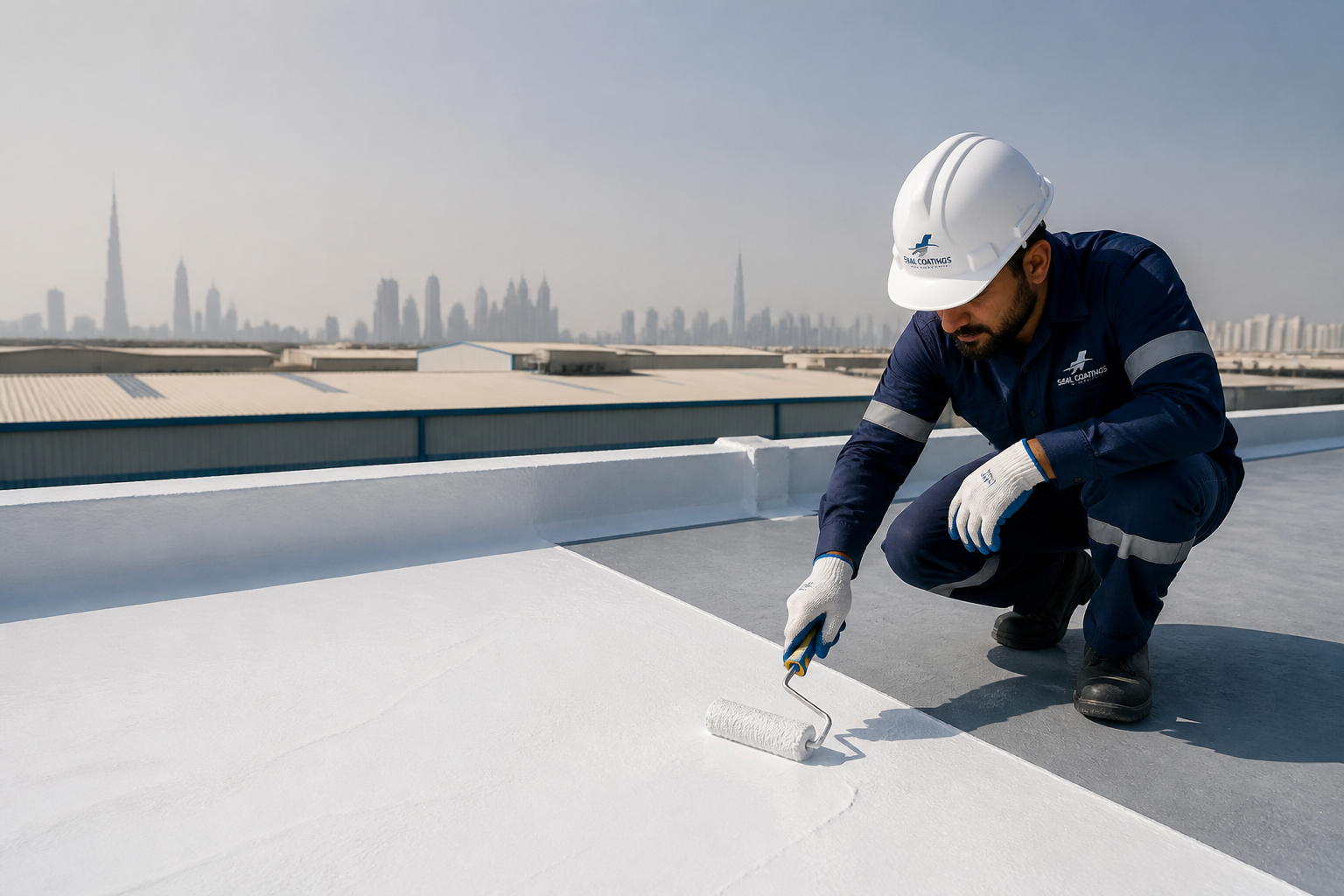
Explore Seal Anticarbon and traditional insulation for UAE buildings. Compare benefits, technical aspects, and ideal applications.
The UAE construction industry is constantly evolving, particularly when it comes to methods of improving energy efficiency and reducing carbon footprints. As the push towards sustainable building practices continues, choosing the right insulation solution is paramount. In 2026, construction professionals in the UAE face the decision between using traditional insulation methods and advanced solutions like Seal Anticarbon. This article will compare these two options, considering the unique requirements of the UAE's environment. Understanding the UAE Climate and Building Needs The UAE's climate is characterized by extreme heat, high humidity, and arid conditions. These factors necessitate efficient building solutions that offer not just thermal insulation but also protection against moisture and structural integrity enhancement. The imperative for insulation is intensified by local initiatives aimed at reducing energy consumption and enhancing green building standards. What is Seal Anticarbon? Seal Anticarbon is an advanced insulation product developed by Seal Coatings, specifically designed to address the challenges posed by the UAE’s extreme climate. It offers a comprehensive solution that combines thermal insulation, waterproofing, and protective coatings in a single application. The product is engineered to reduce heat transfer, thereby aiding in energy conservation and enhancing interior comfort without substantially increasing construction costs. Advantages of Seal Anticarbon Thermal Efficiency: Seal Anticarbon significantly reduces heat ingress, keeping interior spaces cooler and subsequently lowering HVAC energy consumption. Waterproofing Capability: Protects structures from moisture-related damage, a critical requirement given the occasional heavy rainfall and persistent humidity in the UAE. Durability: Engineered to withstand harsh weather conditions, providing long-lasting performance without degradation. Sustainability: Contains eco-friendly materials that align with UAE's sustainability goals. Multi-functional Application: Combines several protective measures in one product, reducing construction complexity and timeline. Traditional Insulation: A Comparative Overview Traditional insulation, such as fiberglass or foam boards, has been a staple in the industry for decades. While effective, these methods often fall short in multi-functionality and environmental impact. Cost: Traditional insulation is generally less expensive upfront but may require additional materials for moisture protection and energy efficiency enhancements. Performance: While traditional methods insulate effectively, they often require additional layers or products for complete moisture protection, increasing complexity. Environmental Impact: Many traditional options do not align with eco-friendly standards, lacking recyclable materials or sustainable manufacturing processes. Comparison Table: Seal Anticarbon vs Traditional Insulation Feature Seal Anticarbon Traditional Insulation Thermal Efficiency High Moderate Waterproofing Yes No Durability High Varies Eco-friendliness Yes Limited Multi-Functional Yes No Conclusion: Making the Right Choice for UAE Buildings In 2026, the decision between Seal Anticarbon and traditional insulation approaches depends on the specific requirements of each project. For installations where energy efficiency, durability, and waterproofing are priorities, Seal Anticarbon offers superior benefits. However, for projects with tight budgets or where traditional aesthetics are necessary, conventional insulation might still hold appeal. Ultimately, choosing the right product means aligning with the UAE's sustainability goals and adapting to the evolving demands of modern construction.