
Seal Water Guard Application Guide for Ras Al Khaimah Flat Roofs: Avoiding Common Mistakes
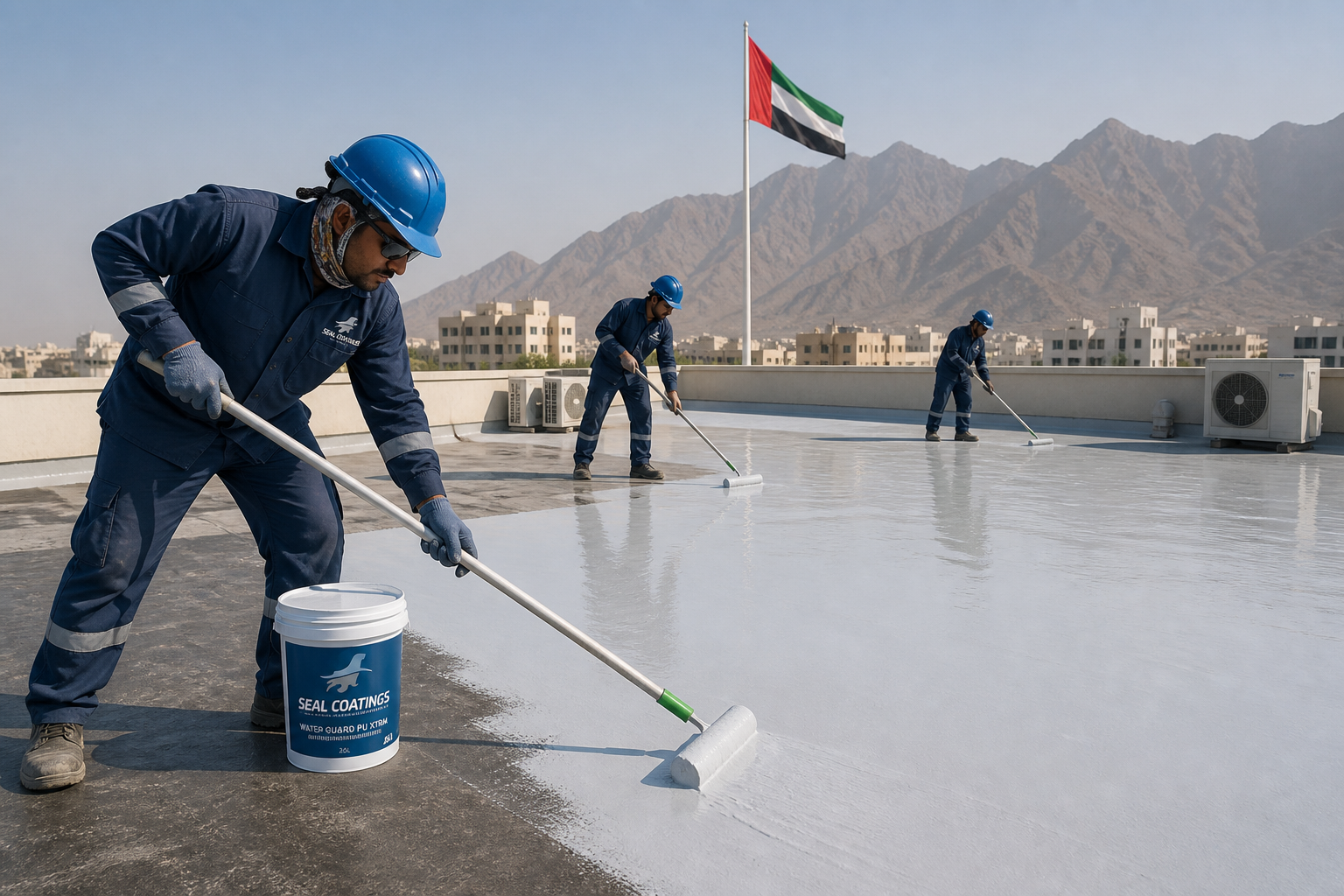
Discover how to apply Seal Water Guard to Ras Al Khaimah flat roofs while avoiding common pitfalls. Enhance waterproofing with expert advice.
In the bustling construction scene of Ras Al Khaimah, the importance of top-quality waterproofing solutions cannot be overstated. The region's unique climate, characterized by high temperatures and occasional intense rainfall, poses significant challenges for architecture and construction professionals. Seal Coatings has engineered the perfect solution with its Seal Water Guard product, specifically designed to withstand such conditions. This guide aims to provide in-depth insights into the correct application procedure and common mistakes to avoid with flat roof installations. Understanding Ras Al Khaimah's Climate Challenges Ras Al Khaimah (RAK) experiences extreme temperature fluctuations and high humidity, which can lead to serious structural issues if not properly addressed. Flat roofs are particularly vulnerable due to their exposure and tendency to accumulate water. Therefore, employing a reliable waterproofing solution like Seal Water Guard is crucial. Seal Water Guard: A Technical Overview Seal Water Guard is a premium waterproofing membrane created to offer superior protection against moisture ingress. Its formulation is designed to ensure flexibility, UV stability, and effective adhesion across various substrates. Crucially for RAK's flat roofs, it prevents water pooling and protects against the formation of mold and fungi. Application Guide: Step-by-Step Process Successful application of Seal Water Guard ensures optimal performance and longevity. Follow these steps to avoid common errors: Surface Preparation: Ensure the roof surface is clean, dry, and free from dust or any debris that could hinder adhesion. Priming: Apply a suitable primer, such as Seal Prime 100, which complements Seal Water Guard, enhancing its bonding capabilities. Mixing: Follow the manufacturer's instructions for mixing. Proper component ratios are critical for effectiveness. Application: Use a roller or spray method to apply the first coat evenly. Allow the coat to set before applying subsequent layers. Inspection: Thoroughly inspect the roof for uniform coverage. Check for any thin spots or air bubbles and rectify immediately. Common Mistakes to Avoid Avoiding typical application mistakes is essential to maximize Seal Water Guard's benefits: Ignoring Weather Conditions: Application should not be undertaken during wet or extremely windy conditions, which can impede adhesive curing. Skipping Priming: Neglecting to prime can lead to poor bonding and eventual waterproofing failure. Layer Inconsistency: Uneven layers can lead to weak spots, which might compromise the roof’s waterproof integrity. Insufficient Curing Time: Allow adequate curing time between coats to ensure a robust waterproof barrier. The Case for Seal Water Guard in RAK Considering the environmental conditions and the prevalence of flat roof applications in Ras Al Khaimah, Seal Water Guard provides an invaluable solution. It extends the lifespan of roofing systems, reduces maintenance costs, and enhances the building's energy efficiency by insulating against solar heat gain. Benefits Description Durability High resistance to RAK's UV exposure and temperature shifts Adhesion Excellent bonding with substrates common in the region Performance Effective waterproofing under intense rain conditions Conclusion For architects, engineers, and construction professionals in Ras Al Khaimah, adopting Seal Water Guard for flat roof projects offers a tangible advantage. By carefully following the recommended application steps and avoiding common pitfalls, you ensure that your roofing system stands resilient against the region’s demanding climate conditions. For additional guidance, the Seal Coatings technical team is always available to provide bespoke advice tailored to your project’s unique requirements.