
The Role of Thermal Coatings in UAE HVAC Energy Savings
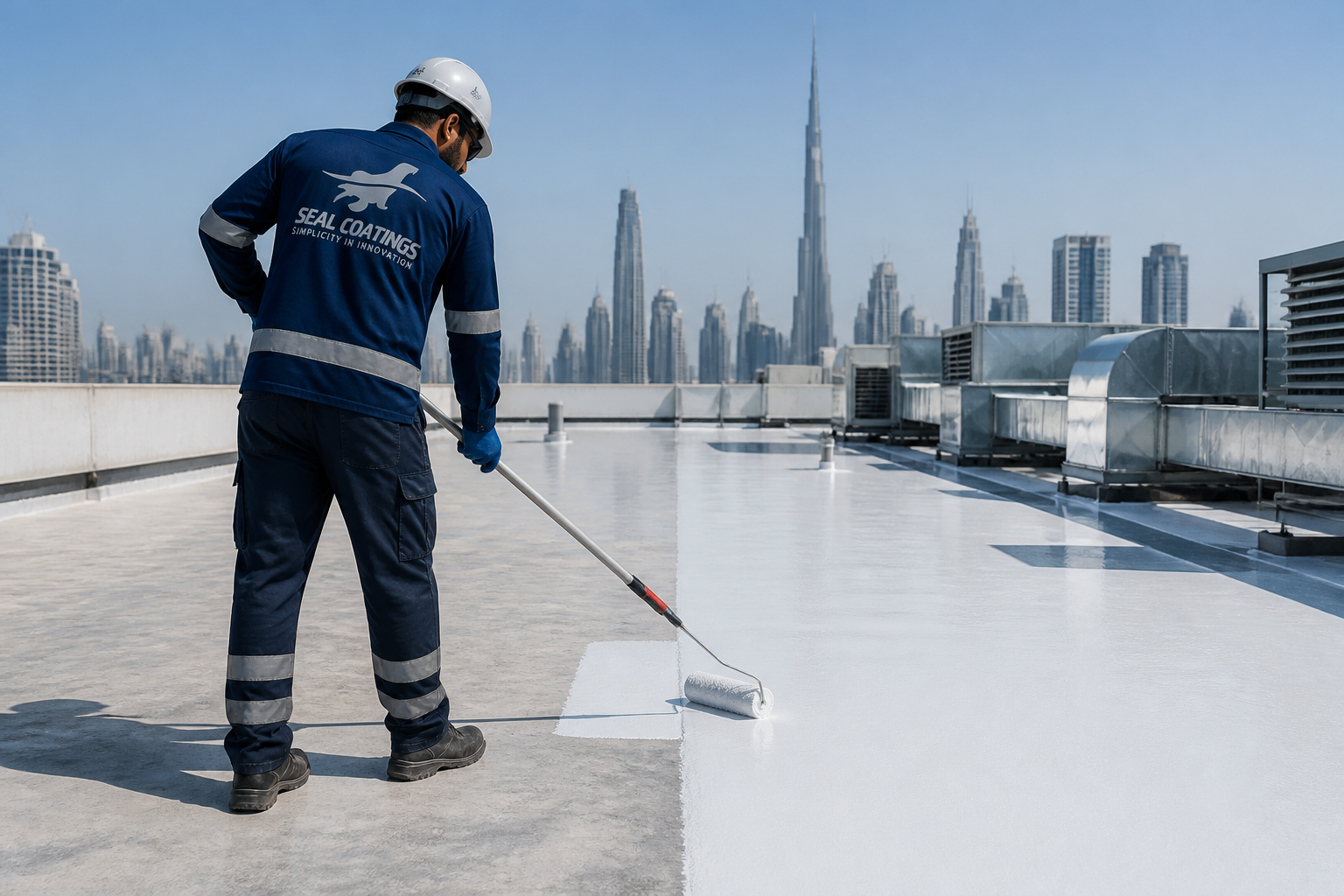
How thermal coatings reduce the load on UAE HVAC systems, extending equipment life and cutting energy costs. The link between building envelope and HVAC performance. Seal Coatings expert guide.
The Role of Thermal Coatings in UAE HVAC Energy Savings In the UAE, the performance of a building’s envelope plays a pivotal role in determining the efficiency of HVAC (Heating, Ventilation, and Air Conditioning) systems. As temperatures soar, understanding the relationship between thermal coatings and HVAC energy savings becomes increasingly crucial for building owners and facility managers alike. Building Envelope Performance and HVAC Efficiency The building envelope—the physical separator between the interior and exterior environments—directly influences HVAC sizing and energy consumption. A well-insulated building can drastically reduce the demand for cooling, while poor insulation results in higher energy costs due to increased heat gain. Oversized AC Units: In many instances, especially in the UAE, air conditioning units are oversized to compensate for excessive heat gain. This leads to inefficiencies, as these units cycle on and off frequently, consuming more energy and ultimately shortening their lifespan. Temperature Reduction: It's noteworthy that every 1°C reduction in room temperature can lead to approximately a 3% reduction in energy consumption for air conditioning. By improving the building envelope with thermal coatings, a more stable internal temperature can be maintained. Impact of Thermal Shield RF on Roof Heat Gain Thermal Shield RF is designed to combat heat gain at the roof level, significantly decreasing the overall HVAC load. Its reflective properties help to maintain lower surface temperatures, which directly translates into reduced strain on HVAC systems. Moreover, by minimising the thermal load, the runtime of HVAC equipment is reduced, extending its operational lifespan. This is particularly beneficial for building owners who want to minimise long-term capital expenditure on replacement systems. Case Study: Insulated vs. Thermally Coated Buildings To illustrate the effectiveness of thermal coatings, consider a comparison between a poorly insulated commercial building in Dubai and one treated with thermal coatings. The thermally coated building demonstrated significantly lower HVAC runtime, leading to a marked decrease in energy consumption. Building A: Poor insulation led to excessive heat gain, resulting in an HVAC runtime of 14 hours per day. Building B: After applying thermal coatings, HVAC runtime reduced to just 8 hours per day. District Cooling and Demand Charges In Dubai, district cooling systems are prevalent, yet they can be costly due to demand charges based on peak consumption. By employing thermal coatings, buildings can significantly lower their cooling load, thereby reducing demand charges associated with district cooling. This not only lowers operational costs but also supports the broader goals of energy sustainability within the region. The Combined Effect of Thermal Shield XT on Walls Additionally, Thermal Shield XT serves as an excellent solution for wall applications. When combined with roof coatings like Thermal Shield RF, the cumulative effect on overall HVAC efficiency is profound. By reducing heat gain through both the roof and walls, building owners can expect substantial energy savings. Presenting Thermal Coating ROI to Facilities Management Teams When discussing the return on investment (ROI) of thermal coatings with facilities management teams, it’s essential to present the potential HVAC savings clearly. Showing projected energy savings based on historical data and case studies, as outlined above, can be compelling. Demonstrating how thermal coatings can lead to reduced maintenance costs and extended equipment life further strengthens the case. Green Building Energy Modelling with Thermal Coatings For those involved in planning and design, thermal coatings can be effectively incorporated into green building energy modelling. Software such as EnergyPlus can simulate the impact of thermal coatings on energy consumption, allowing stakeholders to visualise potential savings and efficiencies. This modelling can help secure approvals for thermal coating projects by showcasing their benefits from an energy-saving perspective. Conclusion In the competitive and energy-intensive environment of the UAE, the role of thermal coatings in enhancing HVAC efficiency cannot be understated. By improving the performance of the building envelope, reducing energy consumption, and prolonging equipment lifespan, thermal coatings emerge as a vital consideration for building owners and facility managers. As the UAE continues its push towards sustainability, understanding and implementing these solutions will be key to achieving energy efficiency goals. Seal Coatings Products for This Application Thermal Shield RF (Roof) High-performance reflective roof coating for UAE rooftops View Product → Thermal Shield XT (Exterior) Exterior thermal insulation coating for UAE buildings View Product → Ready to Protect Your Building with Seal Coatings? Our team of thermal coating and waterproofing specialists is ready to assess your building and provide expert, tailored recommendations. UAE-wide service — Dubai, Abu Dhabi, Sharjah, and all Northern Emirates. Get a Free Quote Today WhatsApp Us +971 4 451 2378 Or email us at uae@seal-coatings.com • seal-coatings.com/contact