
Thermal Shield NT (Interior) System Selection Guide for Airport Terminals Projects
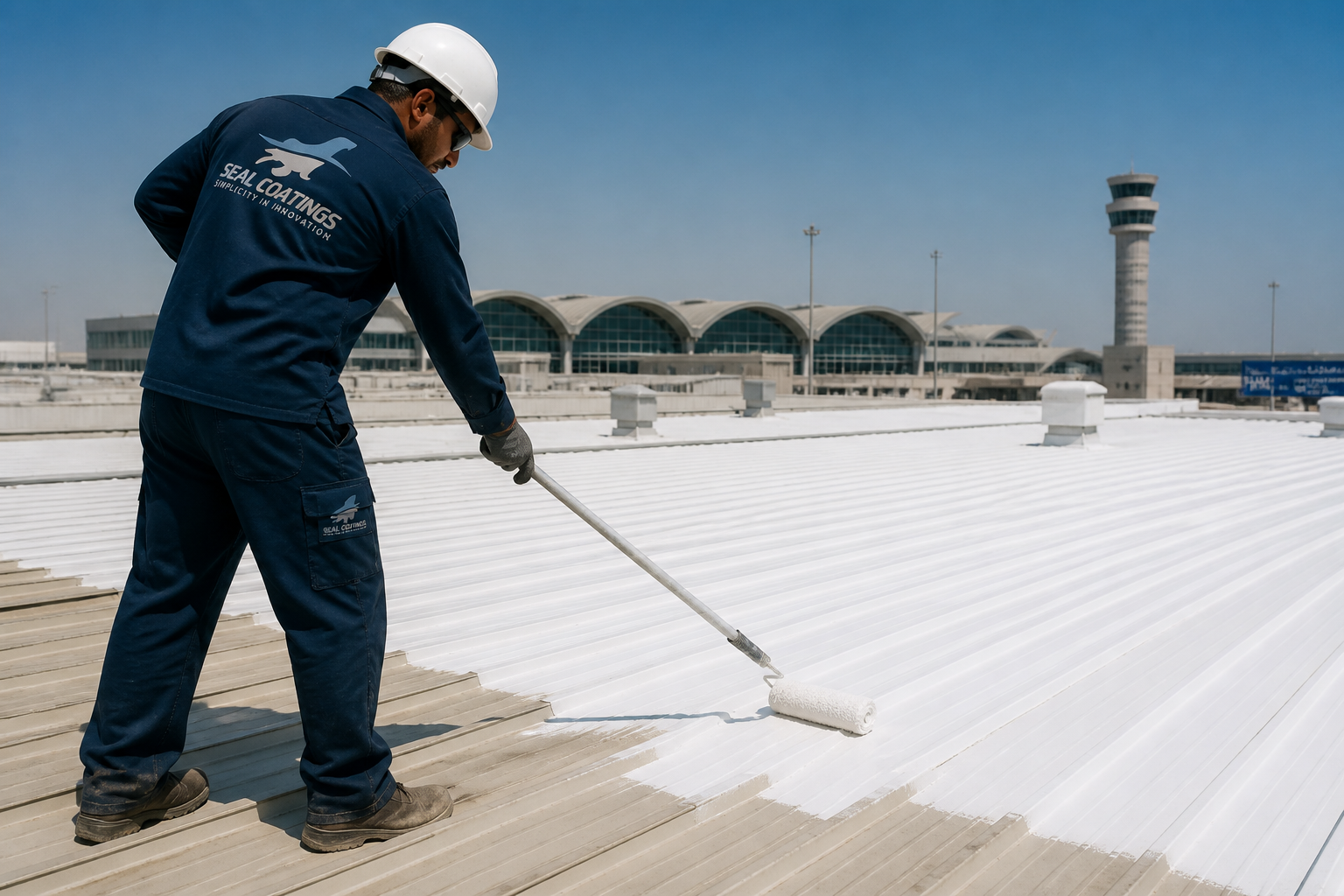
Choosing the right Thermal Shield NT for airport interiors boosts efficiency and sustainability in UAE's demanding climate.
In the dynamic environment of airport terminals, the significance of using the right thermal insulation system cannot be overstated. With the extreme temperatures of the UAE and the immense energy demands of such facilities, choosing a reliable system is crucial. Seal Coatings' Thermal Shield NT (Interior) offers a cutting-edge solution specifically designed for the unique needs of airport terminals. Why Thermal Insulation is Critical for Airport Terminals Airport terminals in the UAE face challenges such as high cooling loads, significant foot traffic, and large open spaces that require effective temperature control. Implementing a robust thermal insulation system can lead to: Reduced Energy Consumption: Efficient insulation minimizes the need for constant air conditioning, leading to significant savings. Enhanced Comfort: Maintaining stable indoor temperatures improves traveler and staff comfort. Environmental Compliance: Reduction in energy demands aligns with green building standards prevalent in the GCC. Features of Thermal Shield NT (Interior) The Thermal Shield NT (Interior) system from Seal Coatings is designed to meet the demanding requirements of airport terminals. Key features include: High Thermal Resistance: Superior performance in high-temperature environments typical of the UAE. Seamless Application: Ideal for the varied architectural design elements of modern airport terminals. Long-lasting Durability: Resistance to wear and tear from heavy foot traffic and operational demands. Non-Toxic and Safe: Conforms to safety standards, ensuring it’s safe for both installers and users. Considerations for Selecting Thermal Shield NT (Interior) When selecting an interior thermal insulation system for airport terminals, several factors must be considered to ensure optimal performance: Climate Adaptability: The system should withstand the high temperature and humidity conditions prevalent in the region. Flexibility and Compatibility: It should suit various architectural designs and materials used in the terminal. Cost-effectiveness: Evaluate the cost-benefit ratio, balancing initial investment with long-term savings. Installation Efficiency: Ensure that the system can be installed with minimal disruption to airport operations. Case Study: Successful Implementation at Dubai International Airport At Dubai International Airport, the Thermal Shield NT (Interior) system was deployed to improve energy efficiency and passenger comfort. The project resulted in a 15% reduction in energy costs and significantly improved temperature uniformity across vast terminal spaces. This implementation illustrates the system's capacity to deliver results in demanding environments. Conclusion Choosing the right thermal insulation system, like Seal Coatings' Thermal Shield NT (Interior), is essential for the efficient and sustainable operation of airport terminals in the UAE. By considering key factors and leveraging proven solutions, construction professionals, engineers, and architects can enhance energy efficiency and user comfort, contributing to the broader goals of sustainability and operational excellence.