
Best Practices for Applying Thermal Shield IND (Industrial) on Logistics Hubs in the GCC
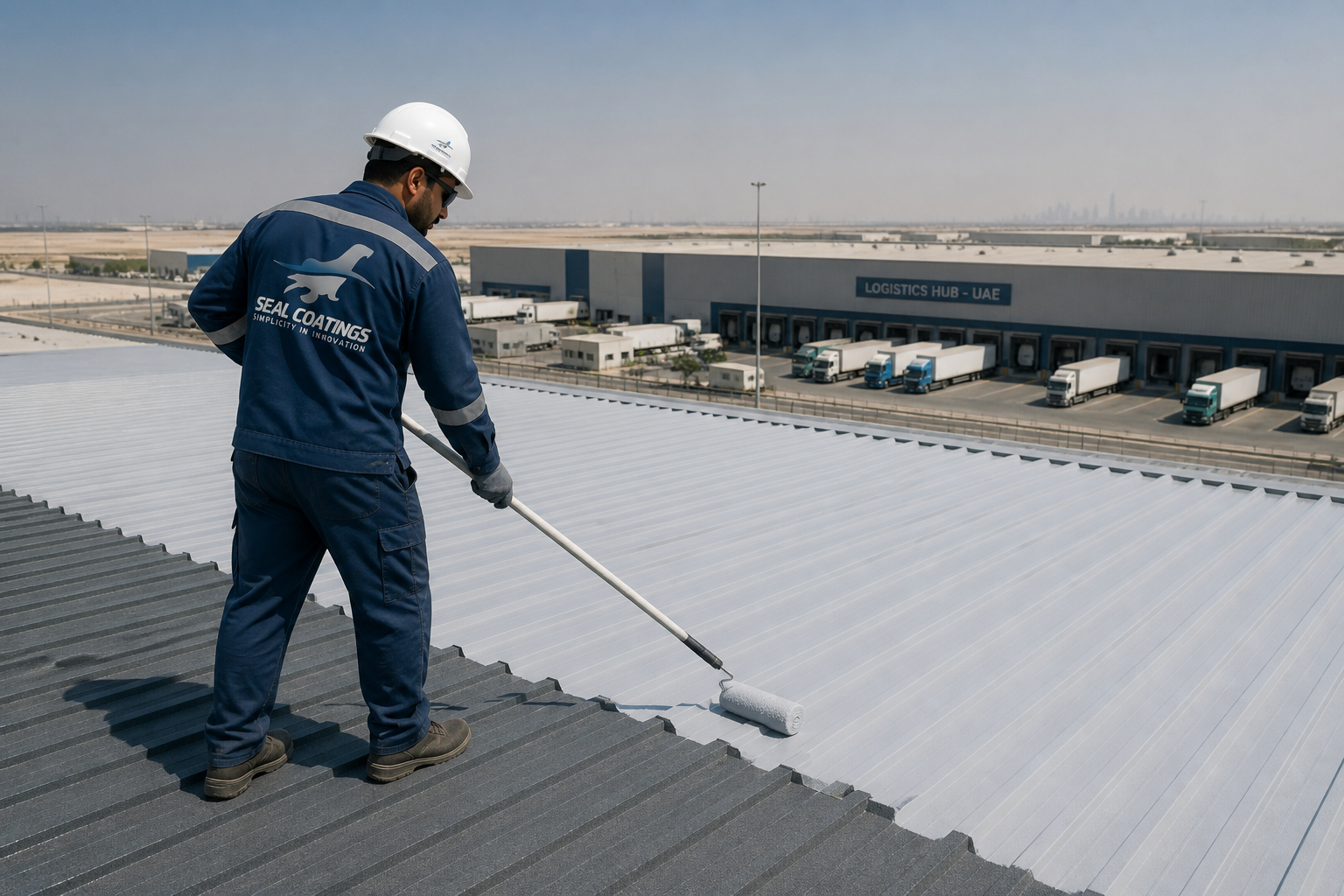
Discover best practices for applying Thermal Shield IND on logistics hubs in the GCC to enhance energy efficiency and protection.
The logistics sector in the Gulf Cooperation Council (GCC) is rapidly evolving, with an increasing focus on infrastructure that promotes energy efficiency and sustainability. In this context, applying Seal Coatings' Thermal Shield IND (Industrial) is crucial for logistics hubs seeking improved thermal insulation and protection against harsh weather conditions. This article provides detailed insights into best practices for applying this advanced coating solution effectively. Understanding Thermal Shield IND Thermal Shield IND is a high-performance coating designed to provide superior thermal insulation and protection for industrial applications. Its unique formulation reflects solar radiation, helping to reduce internal temperatures and minimize energy consumption. This makes it an ideal solution for logistics hubs in the GCC, where temperatures can soar beyond comfort levels, particularly during the summer months. Pre-Application Preparations Successful application of Thermal Shield IND requires careful preparation. Before commencing application, ensure the surface is clean, dry, and free from contaminants. Employ the following checklist: Conduct a thorough inspection of the surface for any structural damage or weak spots. Utilize power washing techniques to remove dirt, dust, and loose materials. Ensure the surface is completely dry before applying the coating. Repair any cracks or holes to create a smooth application surface. Application Techniques and Tools For optimal results, adhere to recommended techniques and use the right tools, which include: Use a high-quality sprayer or roller for even distribution. Apply the coating in multiple layers for enhanced durability. Maintain a uniform layer thickness as specified by Seal Coatings’ technical datasheet. Ensure ambient temperatures comply with product specifications for effective curing. Environmental Considerations The extreme weather conditions in the GCC, such as high temperatures and humidity, require attention during application. Factor Recommendation Temperature Apply coating when ambient temperatures are between 20°C and 35°C. Humidity Ideal relative humidity for application should not exceed 80%. Wind Shield the surface from strong winds to prevent uneven drying. Post-Application Maintenance Ensuring longevity requires regular maintenance: Conduct annual inspections to assess the integrity of the coating. Promptly address any signs of wear or damage. Reapply the coating every 5-7 years to maintain maximum performance. Conclusion Incorporating Thermal Shield IND in logistics hubs not only enhances thermal efficiency but also reduces operational costs associated with energy consumption. By adhering to these best practices, stakeholders can ensure effective application, leading to sustainable operations and improved infrastructural longevity, designed specifically to meet the demanding conditions of the GCC region.