
Bituminous Waterproofing vs Polyurethane: Which Works Best for Oman Conditions?
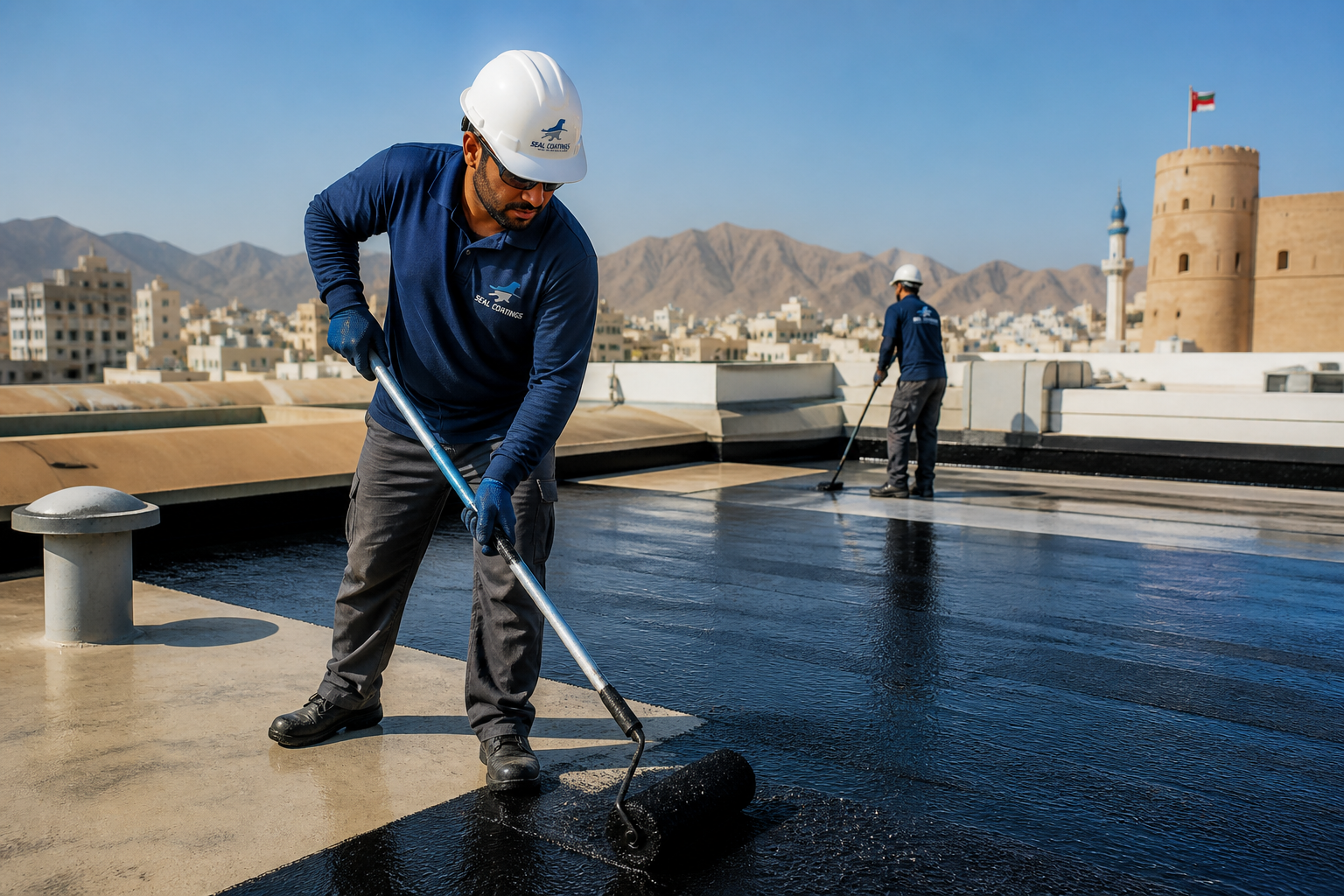
Discover the best waterproofing solution for Oman: bituminous vs polyurethane, ideal for extreme heat and moisture.
In the construction industry of Oman, where conditions are characterised by intense heat, humidity, and occasional heavy rainfalls, choosing the right waterproofing method is crucial. Bituminous waterproofing and polyurethane coatings are two prominent options, but which is the best for the unique environmental demands of Oman? Understanding Bituminous Waterproofing Bituminous waterproofing uses a mixture of organic liquids highly sticky and viscous, making it ideal for surfaces that need to withstand water penetration. It's traditionally used in roofing, below ground structures, and damp-proofing applications. Composition: Mineral aggregates, bitumen, and sometimes a modified polymer. Durability: Well-suited for harsh climates, resisting heat well. Application: Often applied as a self-adhesive membrane or liquid-applied coating. The Pros and Cons of Bituminous Waterproofing Advantages Highly effective in extreme temperatures - crucial for the Omani climate. Cost-effective and robust for large scale projects and infrastructure. Disadvantages UV degrades bituminous surfaces over time unless further protected. Application can be labor-intensive and requires careful handling. Understanding Polyurethane Waterproofing Polyurethane coatings are increasingly popular for their flexibility and ease of application. These liquid membranes are versatile, aligning with a variety of substrates and useful both above and below ground. Composition: Composed of a range of polyol chemicals and isocyanate. Durability: Offers high resistance to chemicals, wears well with UV exposure. Application: Applied as liquid coating directly onto the surface. The Pros and Cons of Polyurethane Waterproofing Advantages Elastic and flexible, adapting well to surface movements and cracks. Resistant to UV radiation, making it ideal for exterior applications in Oman. Disadvantages Typically higher cost compared to bituminous products. Requires precise application conditions, particularly regarding humidity and temperature. Comparison: Bituminous vs Polyurethane Waterproofing Criteria Bituminous Polyurethane Cost Lower Higher UV Resistance Poor Excellent Flexibility Moderate High Application Complexity High Moderate Conclusion When deciding between bituminous and polyurethane waterproofing for Oman's unique conditions, the choice should be influenced by the specific project requirements and budget constraints. For large-scale, cost-sensitive infrastructure, bituminous may be preferred. However, for surfaces needing flexibility and UV resistance, polyurethane is superior, particularly for exposed external applications. Evaluate each option based on these factors to ensure optimal performance and durability in the demanding Omani environment.