
Comparing Waterproofing Methods for Flat Roofs in the Middle East
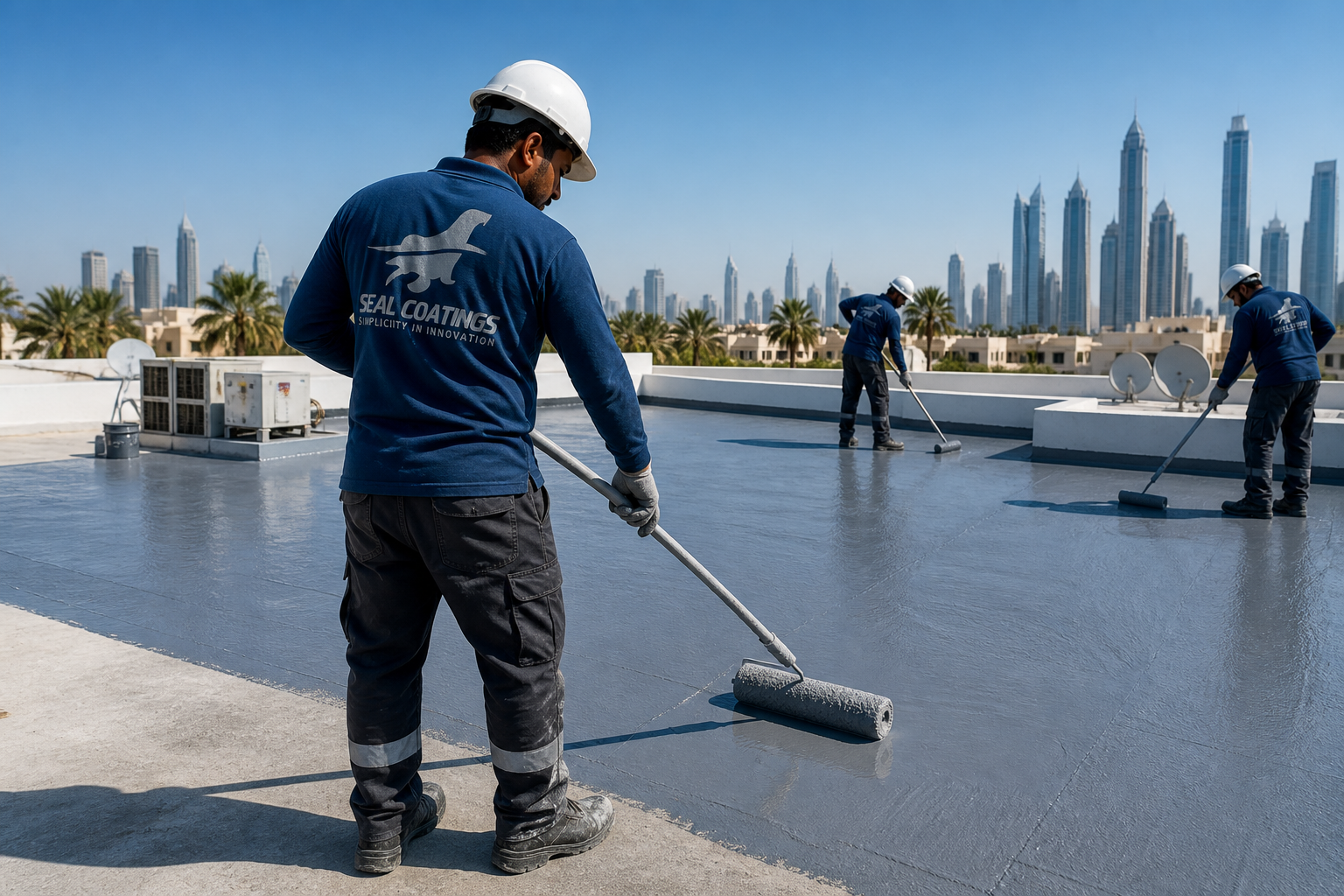
Compare the main waterproofing methods for flat roofs in the Middle East: acrylic, PU, cementitious, bitumen, and torch-on. Understand which is best for UAE climate conditions. Expert guide.
Comparing Waterproofing Methods for Flat Roofs in the Middle East Flat roofs are a common architectural feature in the UAE, particularly due to the region's unique climate and construction styles. Ensuring these roofs are properly waterproofed is essential to prevent leaks, structural damage, and costly repairs. In this article, we will compare various waterproofing methods suitable for flat roofs in the UAE, focusing on their pros, cons, ideal uses, and other crucial factors. acrylic waterproofing membrane (Seal Water Guard) s A popular choice for flat roof waterproofing in the UAE, Seal Water Guard offers an effective solution for protecting roofs against moisture ingress. Pros: High UV resistance, making it suitable for the harsh Middle Eastern sun. Excellent flexibility, allowing it to withstand thermal expansion and contraction. Water-based formulation which makes it environmentally friendly. Cons: May require a primer on some surfaces. Not suitable for areas with standing water. Ideal Uses: Residential and commercial flat roofs. Roofs requiring regular maintenance due to foot traffic. Polyurethane Membranes The Seal Water Guard PU-XTRM is a high-performance waterproofing solution that is increasingly popular in the UAE. Pros: Exceptional durability and resistance to punctures. High elasticity allows it to accommodate movement in the structure. Can be applied in various thicknesses for enhanced protection. Cons: Higher cost compared to other methods. Application requires skilled labour for optimal results. Ideal Uses: Commercial buildings and high-end residential properties. Areas exposed to heavy foot traffic or mechanical stress. cementitious waterproofing (Seal Flexiproof) Another option is Seal Flexiproof , a cement-based waterproofing solution that is gaining traction in the UAE market. Pros: Highly resistant to water and moisture ingress. Easy to apply, with no special skills required for application. Low cost compared to other waterproofing methods. Cons: Less flexible than elastomeric or polyurethane membranes. Requires a clean, sound substrate for proper adhesion. Ideal Uses: Basements and other non-traffic areas. New constructions where cost-efficiency is a priority. Bituminous/Torch-On Membranes Once a dominant waterproofing method, bituminous or torch-on membranes are seeing a decline in popularity in the UAE due to several factors. Pros: Good initial waterproofing performance. Widely available and familiar to many contractors. Cons: UV degradation can severely compromise performance over time. Increased risk of fire hazards during installation. Less flexibility compared to modern alternatives. Crystalline Waterproofing Crystalline waterproofing is a specialist method used in specific applications, particularly for projects requiring a high degree of waterproof integrity. Pros: Self-healing capabilities, which can close cracks that develop over time. Highly effective in preventing water ingress in concrete structures. Cons: Limited to use in concrete and similar materials. Requires careful application and may not be suitable for all projects. Ideal Uses: Underground structures and basements. Water treatment plants and other critical infrastructure. Key Comparison Factors When choosing a waterproofing method for flat roofs in the UAE, several factors should be considered: Cost: Cementitious waterproofing is generally the most affordable, while polyurethane membranes are on the higher end of the spectrum. Flexibility: Acrylic elastomeric and polyurethane membranes offer superior flexibility, crucial for adapting to the UAE's temperature variations. UV Resistance: Both acrylic and polyurethane membranes excel in UV resistance, whereas bituminous membranes fall short. Application Complexity: Cementitious waterproofing is easy to apply, while polyurethane requires professional installation. Lifespan: Polyurethane membranes typically have the longest lifespan, followed by acrylic elastomeric membranes. UAE-Specific Recommendation Matrix by Building Type For residential buildings in Dubai, Acrylic elastomeric membranes are often recommended due to their flexibility and UV resistance. For commercial buildings, Polyurethane membranes may be more suitable due to their durability. For cost-sensitive projects, Cementitious waterproofing can be an effective solution. Meanwhile, crystalline waterproofing is best reserved for specialised structures. Conclusion The decline of torch-on bitumen in the UAE stems from its susceptibility to UV degradation and fire risks during installation, pushing property developers and owners toward more robust solutions. For flat roofs in Dubai, Seal Water Guard and Seal Water Guard PU-XTRM stand out as reliable choices, providing the necessary protection against the region's harsh climate while ensuring long-term durability. Seal Coatings Products for This Application Seal Water Guard Acrylic elastomeric waterproofing membrane for roofs and walls View Product → Seal Flexiproof Cementitious flexible waterproofing for tanks, pools and basements View Product → Seal Water Guard PU-XTRM Premium polyurethane waterproofing for extreme conditions View Product → Ready to Protect Your Building with Seal Coatings? Our team of thermal coating and waterproofing specialists is ready to assess your building and provide expert, tailored recommendations. UAE-wide service — Dubai, Abu Dhabi, Sharjah, and all Northern Emirates. Get a Free Quote Today WhatsApp Us +971 4 451 2378 Or email us at uae@seal-coatings.com • seal-coatings.com/contact