
Nano-Ceramic Roof Coatings: Benefits and Limitations
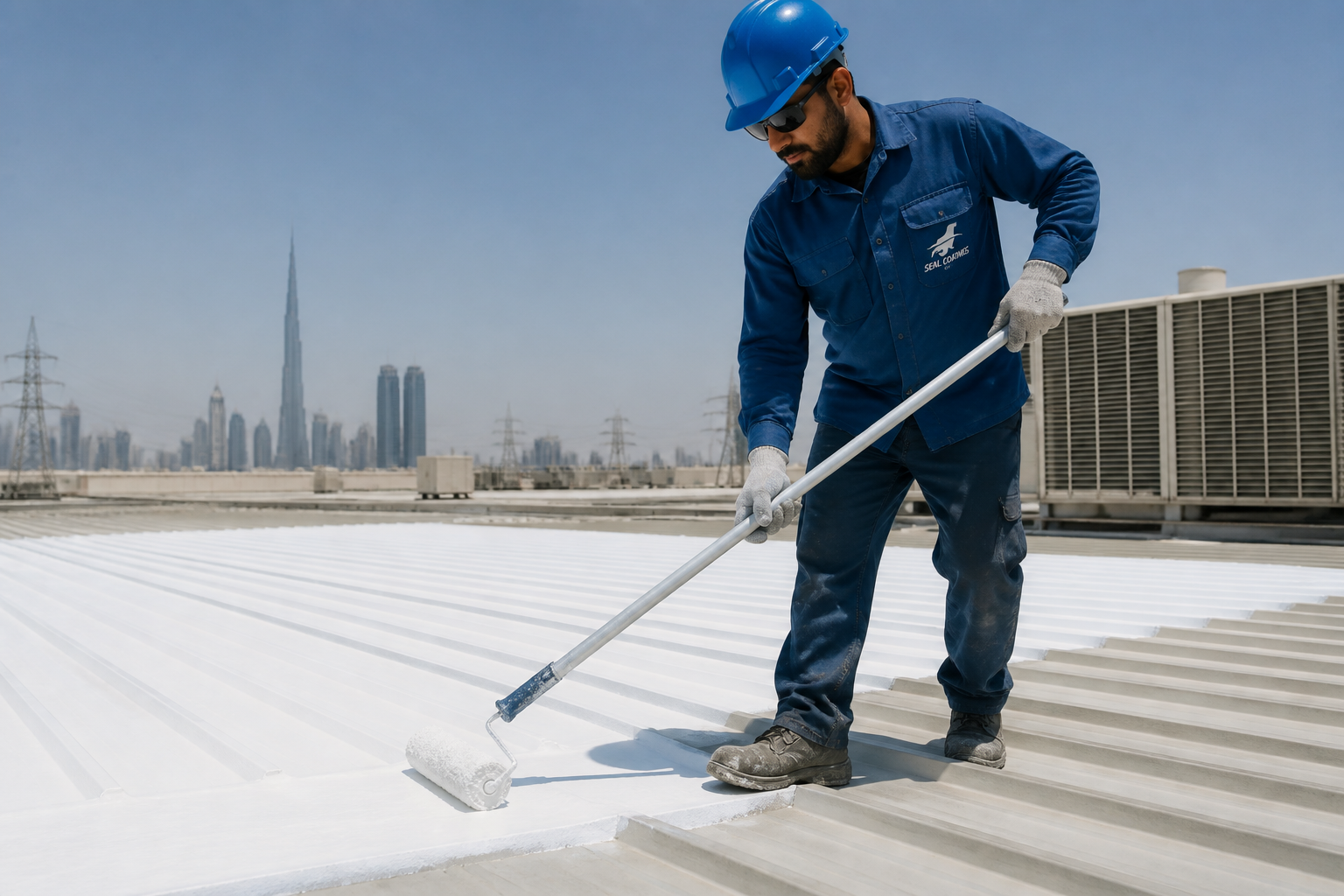
Understand what ceramic-containing roof coatings can offer and why product-specific evidence matters more than a technology label.
Ceramic-containing and reflective roof coatings are often discussed as options for buildings exposed to strong sunlight. They are not all the same formulation, and the term nano-ceramic does not define a universal level of insulation, waterproofing or durability. Building owners should evaluate the actual coating system rather than rely on the name of an ingredient. What the technology label means A coating may contain ceramic particles within a binder, but particle size and composition alone do not establish its suitability for a roof. The formulation, applied film, surface preparation and exposure conditions all matter. Claims about a particular product should be supported by its current technical data and relevant test results. Reflective performance and insulation are different A reflective roof finish can reduce the proportion of incident solar energy absorbed by the surface. That is different from the thermal resistance provided by a conventional insulation layer. Do not assume a thin coating replaces the insulation required by a building design. Any projected reduction in cooling demand should account for the whole roof assembly and the building's operating conditions. Durability depends on the complete system The service life of a roof finish cannot be assigned from a generic technology category. Substrate movement, water exposure, preparation, application and maintenance affect performance. Review adhesion requirements, compatibility with existing finishes, restrictions on standing water and the procedures for repairs. Check whether waterproofing is required A roof that leaks needs investigation of the water-entry points, joints, penetrations and drainage. A decorative or reflective finish should not be treated as a substitute for a suitable waterproofing build-up. Confirm the function of each layer and use the preparation and detailing specified for the selected products. Compare proposals on evidence Ask suppliers to identify the test methods behind performance claims and distinguish product test results from predicted building savings. Compare equivalent applications and documented system requirements. Avoid choosing a coating solely because an advertisement promises a fixed temperature reduction or an unusually long maintenance-free life. Get product-specific guidance For a roof project, review the Seal Coatings product range and request technical guidance for the actual substrate and exposure. Keep the approved technical documents with the project records so the contractor and building owner work from the same requirements.