
Roof Coating Specification Checks for GCC Buildings
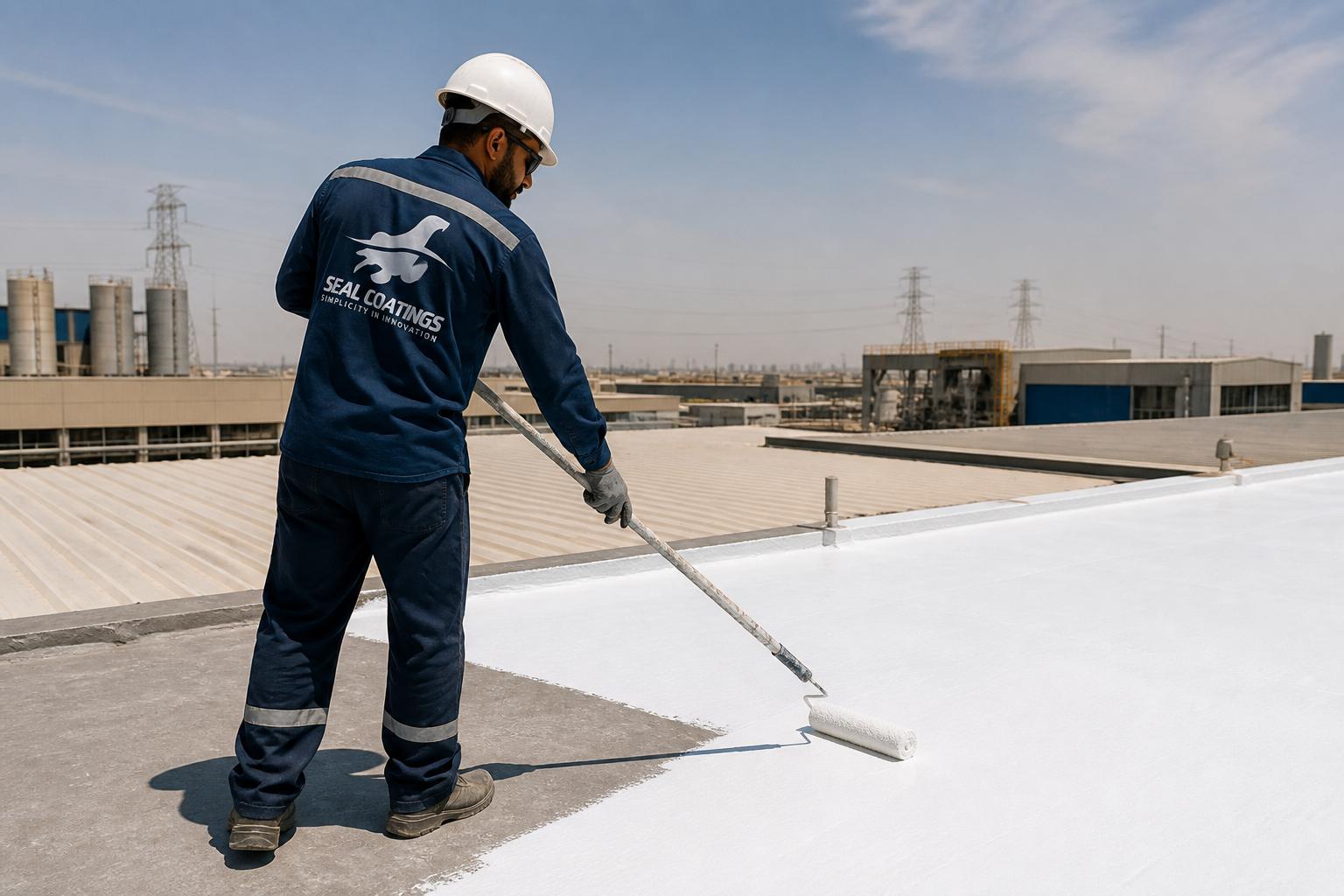
A practical checklist for comparing reflective roof coatings: substrate suitability, test evidence, waterproofing requirements and application conditions.
Selecting a roof coating for a GCC building requires more than a description such as nano-ceramic, reflective or insulating. The proposed system must suit the existing roof, its exposure conditions and the maintenance plan. A specification should connect each required property to product documentation and an agreed application method. Start with the existing roof Record the roof substrate, existing membrane or coating, drainage arrangement and condition of joints and penetrations. Identify loose material, standing water, contamination and areas requiring repair. A coating selected for concrete should not automatically be specified for metal or an existing membrane without checking compatibility. Ask for documented performance Where reduced solar heat gain is a project objective, request the relevant solar reflectance and thermal emittance information, together with the test method and any available aged-performance data. A ceramic ingredient or a technology label does not establish a particular energy saving. Actual building performance also depends on roof construction, insulation, ventilation, occupancy and cooling operation. Separate reflective performance from waterproofing A reflective finish and a waterproofing system do not necessarily provide the same function. Check whether the proposed build-up includes the required primer, reinforcement, joint treatment and waterproofing layers. Review the product's stated limitations for ponding water and the intended substrate. Repair drainage defects rather than assuming an additional coat will solve them. Confirm the application requirements Use the current technical data sheet and application instructions to specify preparation, coverage, film build, recoating intervals and curing conditions. Do not substitute a generic application rate from another product. Site temperature, surface condition and the forecast must be considered before work starts. Plan inspection and maintenance Agree how preparation and completed work will be checked. Record the products used and application conditions, and retain photographs of details that will be concealed. Schedule roof inspections and keep drains clear. Any warranty should be assessed against its written conditions and the actual specified system. Discuss the project with Seal Coatings Review Thermal Shield RF alongside its current documentation, or contact Seal Coatings to discuss the roof substrate and required system. Product suitability and project-specific performance should be established from the technical information, not assumed from a general article.